
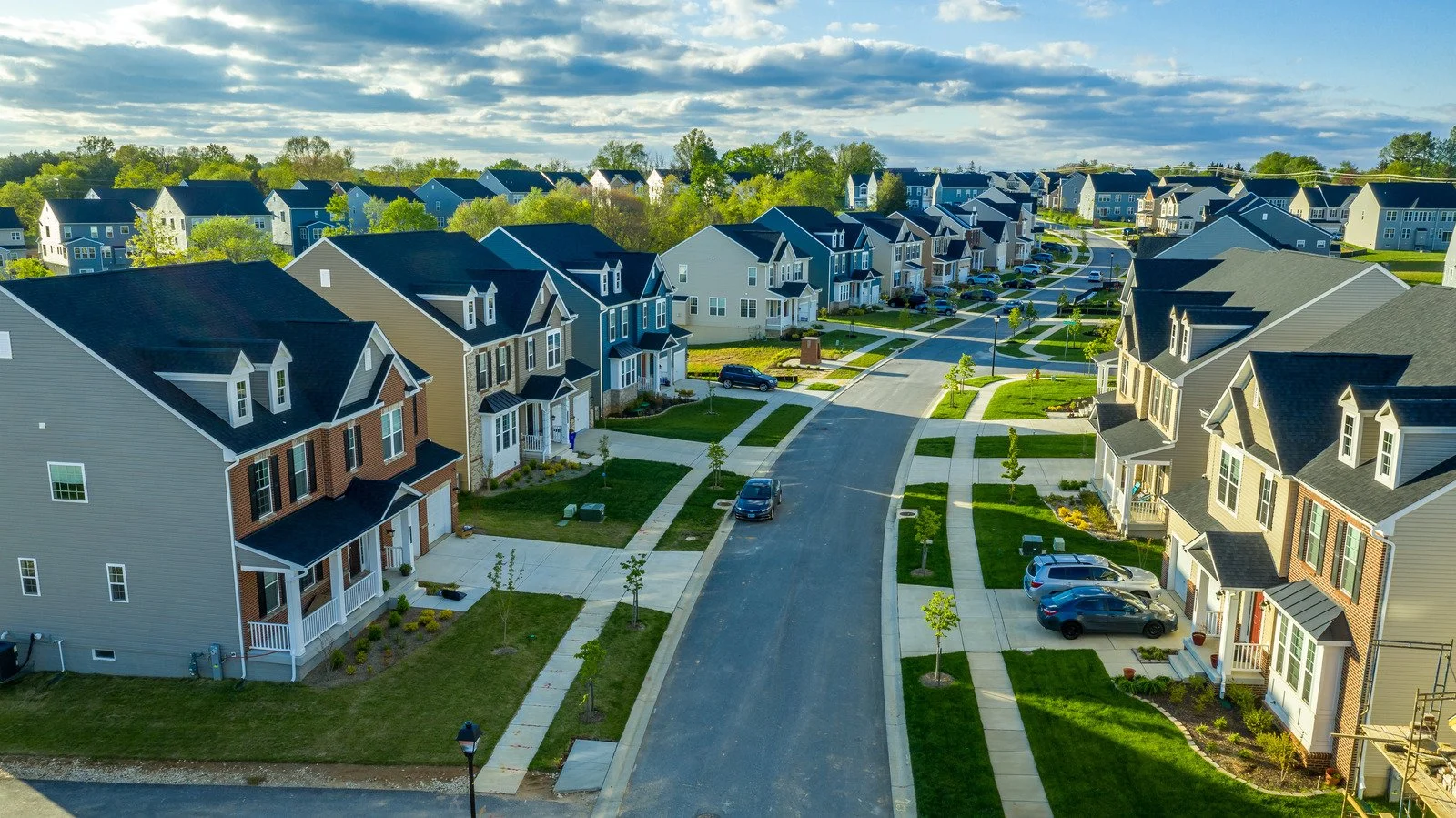
The term “development-ready” is often used in planning conversations, but true readiness is far more than available land or community interest. A neighborhood is development-ready when uncertainty has been reduced to a manageable level, and key factors have been assessed with depth and honesty. This readiness makes investment possible. It shortens the path between early vision and implementable action. It also provides the confidence needed to move forward responsibly — whether the partner is public, institutional, philanthropic, or mission-driven.
The Core Elements of Development Readiness
A Shared Vision Rooted in Community Priorities
Development that lacks unity rarely survives the early stages. Readiness needs a clear communication of:
What the neighborhood values
What the project is intended to solve
How the project fits into broader community goals
The stronger the vision alignment, the easier it will be for partners assess viability.
A Clear Understanding of Site and Infrastructure Conditions
Before any conceptual plan has meaning, the following has to be known:
Ownership and encumbrances
Zoning and permitted uses
Utility availability and capacity
Environmental conditions
Access, circulation, and right-of-way constraints
Geotechnical conditions
A project is not development-ready until these fundamentals are confirmed. For example, discovering that a site requires an $800,000 sewer upgrade after concept design has begun can derail feasibility entirely. Identifying such constraints early prevents sunk costs and lost momentum.
Realistic Market Fundamentals
Strong development relies on data, not hope. Key fundamentals include:
Current inventory
Vacancy and absorption trends
Rent levels and achievable affordability
Pipeline supply
Demographic and employment patterns
A neighborhood with strong but unmeasured demand is rarely considered development-ready by partners responsible for funding or approving projects. Readiness means the numbers have been examined and communicated clearly.
Coordinated Governance and Leadership
Successful neighborhoods benefit from stable, organized entities capable of:
Aligning stakeholders
Articulating vision
Stewarding public resources
Coordinating communication
When governance is clear, projects accelerate. When it’s fragmented, they stall.
River & Main’s Value
River & Main provides readiness assessments that:
Clarify site conditions
Analyze infrastructure and market fundamentals
Align development objectives with community purpose
Outline realistic pathways toward implementation
This allows future partners — whether they manage incentives, land, or community interests — to make informed decisions and reduce long-term risk.
