

Transparency in the early stages of a project is one of the simplest ways to avoid unnecessary problems later. Before any money is spent, the project’s goals, site conditions, responsibilities, and expectations need to be clear. When this information is organized and shared openly from the start, it becomes much easier to make smart, confident decisions.
Early transparency isn’t about having every detail figured out. It’s about making sure everyone understands the basics before moving forward — what the project is trying to achieve, what limitations exist, and what options are realistic.
How Transparency Affects Your Project
Early Decisions Shape the Whole Project
At the beginning of any project, there are usually more unknowns than knowns. People carry different expectations, different priorities, and different interpretations of what the site or project can become. Transparency is what pulls those ideas into one shared starting point. Before any design or financing even starts, those early choices are already shaping where the project is headed. These early choices influence:
The project’s purpose
What the project can realistically become
How the timeline unfolds
How much it will cost and the financial approach
The level of risk
Who needs to be at the table
If the early phase is unclear, the entire project becomes harder to manage. If this phase is transparent, everything else becomes easier.
Transparency Helps Catch Risks Early
Most development problems are not technical surprises - they are timing surprises. Something that could have been identified early stays hidden until it becomes disruptive. Example, a sewer line without capacity, an easement that restricts design, or a misunderstood zoning rule can create months of delay once the project is already moving. Even a short delay can get expensive; on a $20M project, a six-month setback can add $600,000 or more in extra financing and cost escalation. Being transparent early on brings these issues to the surface when fixing them is still simple and affordable.
Building Trust Before Momentum Builds
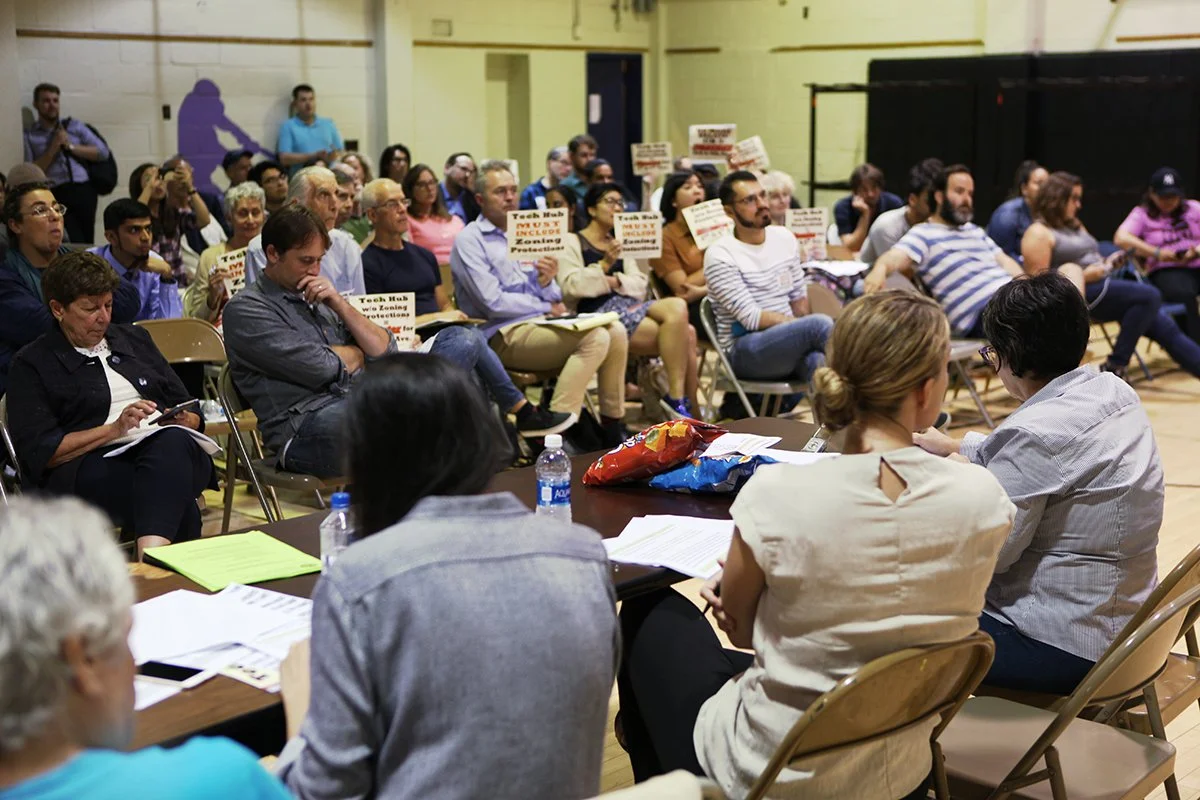
Projects that affect neighborhoods, public land, or mission-driven institutions attract attention, even early on. People want to understand how decisions are made and whether they reflect the project’s stated goals. A transparent early phase creates a baseline of trust that makes later steps smoother.
People feel more comfortable moving forward when:
The process feels open
Decisions are explained
Data is available
The purpose is clear
Transparent early planning reassures boards, community members, future partners, and funders that the project is being handled responsibly.
Giving the Project a Roadmap
Transparency also gives shape to the next steps. Early planning should answer a few basic but important questions:
What is the first phase work?
What information is still missing?
When do partners need to be brought in?
What decisions have to be made before the project moves forward?
Having these answers upfront helps everyone stay on the same page and prevents confusion later on.
Protecting Long-Term Mission and Stewardship
Organizations that hold land - churches, universities, hospitals, foundations, and long-standing nonprofits - carry both responsibility and opportunity. Their land decisions often impact neighborhoods for decades. Early transparency ensures those decisions reflect the mission they serve.
It creates space to compare options, understand trade-offs, and avoid pressures from outside proposals that promise too much, too soon. A clear early-stage process protects the long-term vision of the organization, not just the short-term excitement of a potential project.
It Helps Public Partners Make Confident Decisions
Public entities must demonstrate fairness, compliance, and responsible stewardship. Transparent early planning gives them documentation they can rely on when presenting to boards, committees, or elected officials.
Clear early work reduces political risk by showing that the project was evaluated thoughtfully, using facts, not assumptions.
It Attracts Better Partners Later
When a project has clear early documentation, strong partners take it more seriously. Developers, lenders, philanthropic funders, and institutional partners gravitate toward projects that are well-organized at the start. They see fewer unknowns, clearer intentions, and fewer surprises ahead.
Early Transparency signals:
The project is organized and realistic
The risk level is understood
The leadership team is aligned
Information is reliable
This makes high-quality partners more willing to participate because good projects attract good partners.
How River & Main Supports Transparent Early Planning
River & Main focuses on this critical phase - the part before commitments, before design, before financial structures are set. Our focus is on helping organizations understand what they have, what they want to achieve, and what is realistically possible.
Our work includes:
Clarifying project goals
Evaluating site conditions
Identifying risks early
Outlining realistic development paths
Guiding decisions before commitments are made
Ensuring the process feels clear and grounded
Helping partners understand what is possible and what isn’t
We bring structure and clarity to the earliest stage so that every dollar spent afterward is better protected.
